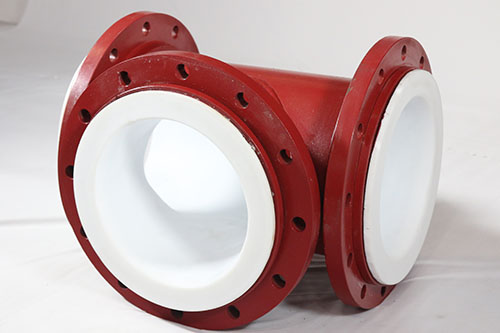
Choosing the Right Lining Material for Your Piping System
Description:
Explore the various lining materials available for piping systems, including PTFE, PFA, PP, and HDPE. Understand the properties, advantages, and limitations of each material to make an informed decision based on your specific chemical process requirements.
Introduction:
The choice of lining material is a critical factor in the performance and longevity of a lined piping system. Different lining materials possess unique properties, making them suitable for various chemical processes. This guide will explore the key lining materials available, their characteristics, and factors to consider when selecting the best option for your application.
Common Lining Materials
1.Polytetrafluoroethylene (PTFE):
• Excellent chemical resistance to a wide range of acids, bases, and solvents.
• High temperature and pressure resistance.
• Low friction and non-wetting properties.
• Suitable for applications requiring the highest level of purity and corrosion resistance.
2.Perfluoro Alkoxy (PFA):
• Similar properties to PTFE but with slightly lower chemical resistance and higher processing temperature.
• Often used in applications where PTFE’s processing limitations are a concern.
3.Polypropylene (PP):
• Good chemical resistance to many acids, bases, and solvents, but less resistant to strong oxidizing agents.
• Suitable for applications involving mild to moderate corrosive environments.
4.High-Density Polyethylene (HDPE):
• Excellent chemical resistance to most acids, bases, and solvents, except strong oxidizers.
• Suitable for applications requiring a cost-effective and durable lining material.
Factors to Consider When Selecting a Lining Material
1.Chemical Compatibility: Ensure the lining material is resistant to the specific chemicals being transported.
2.Temperature and Pressure Ratings: Select a material that can withstand the operating conditions of your process.
3.Flow Rate: Consider the required flow rate to determine the appropriate lining thickness.
4.Cost: Evaluate the initial cost and long-term benefits of each lining material.
5.Installation and Maintenance: Assess the ease of installation and maintenance requirements.
Conclusion:
The choice of lining material depends on the specific requirements of your chemical process. By carefully considering the factors outlined in this guide, you can select the optimal lining material to ensure the performance, reliability, and longevity of your lined piping system.